

The Texas Tribune
AUSTIN, TX — Lt. Gov. Dan Patrick has led a crusade against THC products over the past few years, eventually leading to state officials banning several hemp-derived cannabis products, including popular items like smokeable vapes and joints.
“I’m not going to legalize marijuana in Texas. And if people want to vote me out of office for that, so be it,” Patrick said at a news conference last year.
On Election Day, Texans did just that.
“This is the biggest [mess]-around-and-find-out moment I have ever seen in politics,” said Lukas Gilkey, chief executive of Hometown Hero, a manufacturer of hemp-derived products.
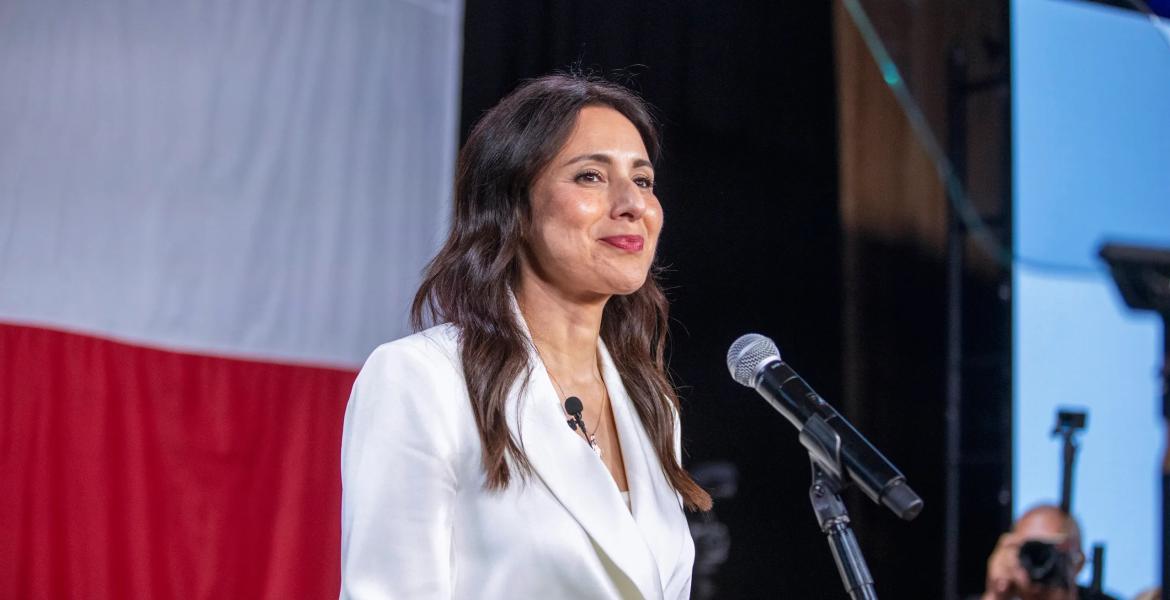
Vikki Goodwin, the Austin state representative, unseated Patrick — a close ally of Trump — by focusing her campaign on his biggest vulnerabilities: his incumbency and a widely unpopular push to ban hemp-derived THC products.
A big part of her campaign centered around undoing restrictions on hemp-derived THC products and using revenue from the sales tax to pay for health insurance programs for low-income Texans. Implementing that plan, however, will prove to be more difficult.
While Goodwin’s stance on THC certainly helps the industry, it’s not an immediate fix, said Shayda Torabi, co-founder of RESTART CBD in Austin.
“Right now, smokable products have gone back and forth through agency rules and court orders, and businesses and customers can’t plan around that,” she said. “Lawmakers can write clear rules: age limits, testing, labeling and real enforcement against bad actors.”
Torabi warned Texans that even if the state lifts its smokeable ban, THCA flower, the raw, unheated version of THC, fails the new federal total THC test starting Dec. 11. She said smokeable products in Texas will need a federal walk back or a state-legal market that the lawmakers and agencies build.
“Don’t assume the election fixed this,” she said. “Texans could go a while without access to some products.”
Few policy proposals had earned Patrick more backlash than his push to ban hemp-derived THC products in 2025, even drawing criticism from far-right personalities who have long adored him.
“I truly believe THC access was on the ballot in Texas. Each of the major campaigns, including Talarico, Hinojosa, and Goodwin, made hemp a key issue in their campaign,” said JD McCormick, founder of American Healthy Alternatives Association, based out of Florida. “Patrick clearly underestimated how popular hemp was.”
The push, which the Legislature ultimately passed before the governor vetoed it, reflected the lieutenant governor’s power in the chamber and Senate districts.
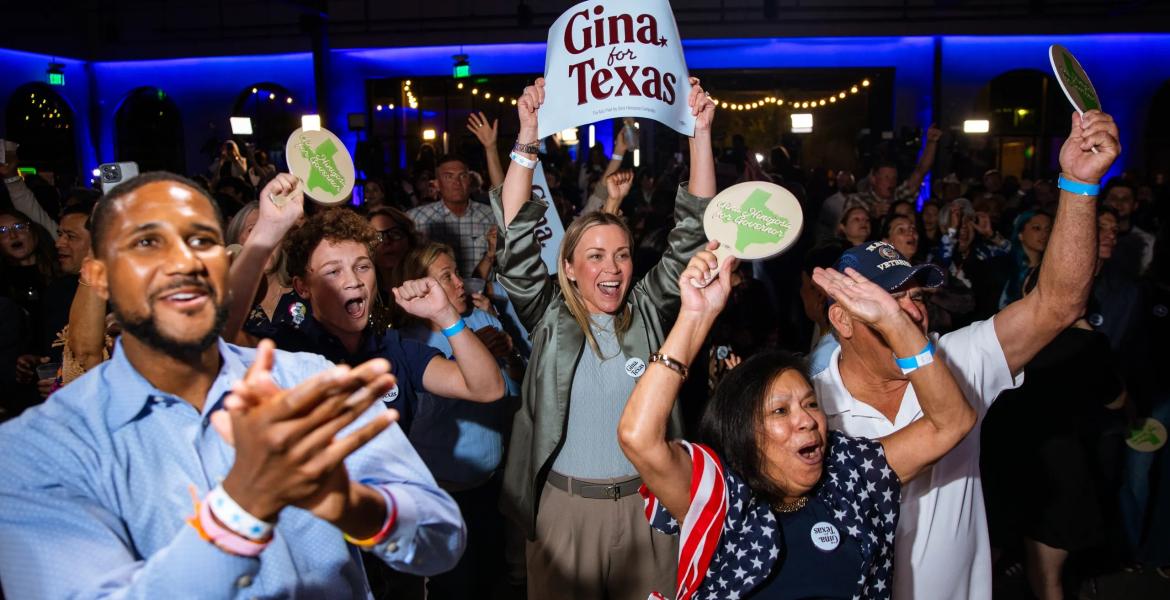
“I think THC did play a role,” said Texas Majority PAC Executive Director Katherine Fischer during a press conference on the key takeaways from the 2026 midterms. “I think THC was one of the many things that helped people make up their minds that Republicans in the state don’t care about them and that they should vote in a different way than they have been voting.”
THC, along with a long era of incumbents and other issues, are all part of the Democratic sweep witnessed on Election Day, said Erik Peterson, an associate professor of political science at Rice University
“When you are in the party in charge for a long period of time, you accumulate these issues over time,” Peterson said. “Whether it was school vouchers or THC, many of these things are probably not going to be decisive on their own, but when they intersect in a very unfavorable national political environment, that is when you see the kind of surprising and unprecedented shifts that we saw in a lot of places across Texas last night.”
Now, hemp advocates, farmers, industry leaders and voters are waiting to see what the future might hold for THC products in Texas.
“I think Vikki is going to represent constituents the way that it should have been done, and we’re going to start working to repeal all of this nonsense immediately,” Gilkey said.
Katharine Neill Harris, a drug policy fellow at Rice University’s Baker Institute for Public Policy, said Goodwin’s win creates an opportunity for lawmakers to consider how to regulate hemp responsibly, but she can’t do it on her own.
“She will need support from the Legislature and there are still folks in the Senate who want to see hemp banned, though Hinojosa’s win in the governor race could block those attempts,” she said. “If Goodwin is afforded the power Patrick had over the Senate, she could block ban efforts, but the Senate Republicans may try to take that power away.”
Earlier this year, the Texas Department of State Health Services released regulations on consumable hemp-derived THC products that went into effect on March 31. These new regulations include child-resistant packaging, a significant increase in licensing fees, new labeling, testing, and bookkeeping requirements. The rules also codify the legal purchasing age to 21, which went into effect last year as an emergency directive.
Hemp retailers warned lawmakers that the regulations that decrease the amount of total THC in products they sell to 0.3% will eliminate popular smokeable hemp products, such as rolled joints and smokeable flower buds, which make up more than 50% of some stores’ inventories. Yet the rules still went into place.
The rules also increased licensing fees for manufacturers of hemp-derived THC from $258 to $10,000 per facility and retail registrations from $155 to $5,000, which industry leaders say will fulfill the ban by forcing businesses to close.
Several hemp organizations filed lawsuits against the new rules that banned THC products, which are still playing out in court.
“There is no reason that (hemp) flower shouldn’t be legal. There is no reason that vapes shouldn’t be legal,” said Gilkey.
Hemp retailers now expect some of these lawsuits to face a more favorable environment now that voters replaced many of the judges who initially ruled against it.
“Nothing has to change drastically. We had something that worked for seven years. We had something that thrived and generated $300 million a year in state tax revenue,” Gilkey said. “The regulations already exist; we have rules we have to abide by. There is not a lot that needs to be changed, other than removing some of the garbage that was created by Dan Patrick through the rulemaking process.”
Harris said legislation on THC products is preferable to piecemeal rulemaking because it’s less vulnerable to litigation and provides an opportunity to develop a comprehensive regulatory strategy.
“I don’t see any indication that DSHS would voluntarily change its rules at this time, though there is currently litigation over the THCA rule and it’s possible that the makeup for the deciding court is going to change,” she said.
When the Legislature convenes Jan.12, a new question will be before them — whether hemp-derived THC is legal under Texas law, including a regulated market for hemp or even cannabis similar to the way legal marijuana has been done. If lawmakers decide to legalize THC products, they won’t be sold outside of the state, similar to how cannabis is treated in legal weed states, but the products will be able to safely return to the shelves.
“Of course, Texas could also consider creating a more comprehensive legal cannabis market, as 24 other states have done, and allow smokable cannabis through that channel,” Harris said.

Subscribe to the LIVE! Daily

Required
Post a comment to this article here: