
Howdy
h1>
What to Look for When Buying a Sewer Camera
Are you considering purchasing a sewer camera but don't know what factors to consider? The resolution, waterproof rating, photo and video recording capabilities, price range, and locator function of a sewer camera are all important factors to consider.
In this article, we will discuss the key features to focus on when purchasing a sewer camera, based on your reasons for purchasing one.
1. Camera Quality Matters
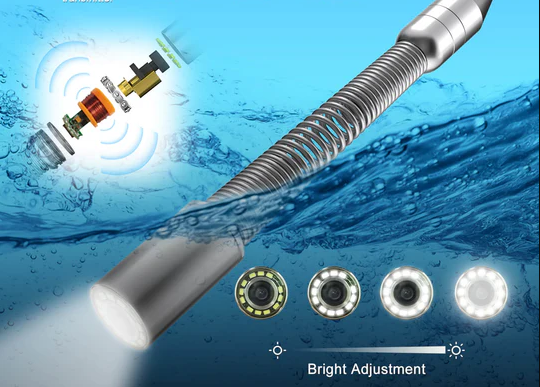
The most important part of any sewer inspection camera is—unsurprisingly—the camera itself. Look for the following specs:
- Resolution: At minimum, aim for 720p HD video quality. Higher resolution provides clearer views of cracks, roots, or blockages.
- Field of view: A wider angle helps you see more of the pipe walls in tight spaces.
- Lighting: Built-in LED lights are essential for visibility in dark sewer lines. Adjustable brightness is a plus.
- Waterproof rating: Ensure the camera head is IP67 or higher to withstand wet, dirty conditions.
2. Cable Length and Flexibility
Your sewer line camera needs to go the distance—literally. Choosing the right cable length depends on your inspection needs:
- Homeowners: A 50–100 ft cable is typically enough for standard residential use.
- Contractors or Inspectors: You may need 165 ft or more to cover larger buildings, long lateral lines, or commercial properties.
But it's not just about length—the cable's thickness and flexibility also matter a lot, especially when navigating bends or tight turns.
Take the Sanyipace sewer camera as an example:
- 5mm cable: More flexible and ideal for homes with many pipe bends or narrow spaces. It’s easier to maneuver through sharp turns, but the thinner cable may limit the overall pushing distance.
- 7mm cable: Offers a balance between flexibility and rigidity. It can reach farther than a 5mm cable while still handling moderate bends in residential and light commercial systems.
- 9mm cable: Much stiffer and suitable for long, straight pipe runs—ideal for professionals inspecting extended sewer lines. However, it may struggle with tight turns and smaller diameter pipes.
Pro tip: If you’re inspecting older homes with lots of bends or smaller pipe diameters, opt for a more flexible (thinner) cable. For newer systems with long straight runs, go for a thicker, stiffer cable that can push farther without kinking.
3. Locating Function (Sonde Transmitter)
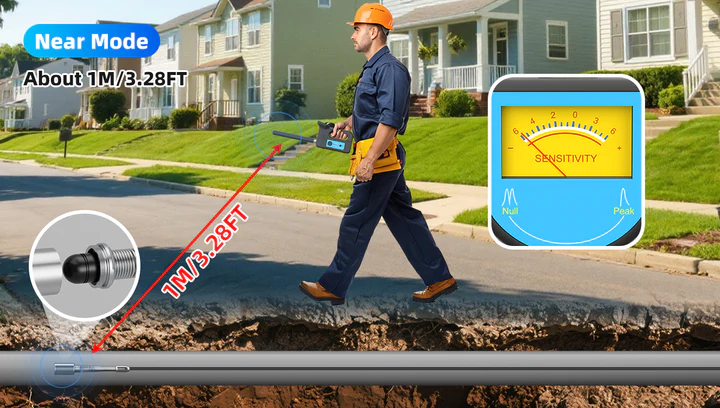
One of the most valuable features for professionals is a built-in sonde transmitter. This allows the camera to be detected above ground using a locator device, helping you pinpoint exactly where a blockage or break is.
If you're doing repairs or digging, this feature saves serious time and labor.
4. Monitor and Recording Options
Most modern sewer cameras come with a built-in display monitor—but not all monitors are created equal.
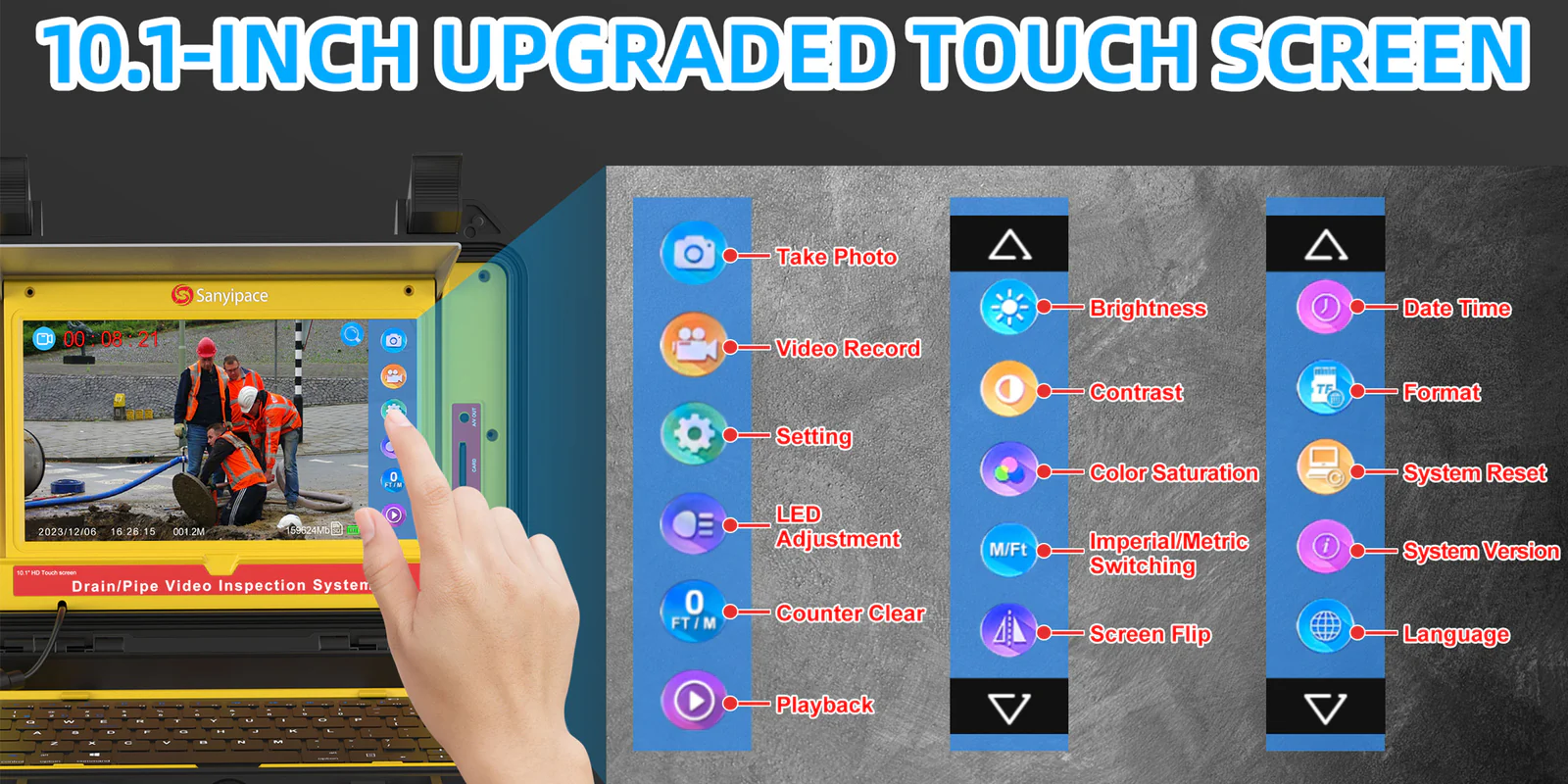
- Screen size: 7–10 inches is ideal for easy viewing.
- Recording: Look for models that allow you to record footage via SD card or USB. This is useful for showing clients or reviewing later.
- Sunlight readability: If you'll be using the device outdoors, opt for anti-glare screens.
Some advanced models also offer smartphone apps or Wi-Fi connectivity, allowing remote viewing.
5. Portability and Battery Life
If you're moving from job to job or just don't want to deal with power cords, choose a sewer camera with a rechargeable battery. Look for:
- Battery life of at least 4–6 hours per charge.
- A compact, all-in-one carrying case or design for easier transport and setup.
6. Durability and Build Quality
Sewer lines are tough environments. Your equipment needs to match.
- Choose cameras with stainless steel or aluminum alloy heads that resist corrosion and impacts.
- Make sure the push rod and connectors feel sturdy—not flimsy plastic.
- Bonus: Some kits come with replaceable camera heads or parts, which can save money long-term.
7. Price vs. Features
You can find sewer cameras ranging from $150 to over $5,000. Budget models are fine for occasional home use, but professionals should invest in high-end units with advanced features.
Here’s a rough guide:
- Under $500: Basic, good for DIY home use.
- $500–$1,000: Better resolution, longer cables, some recording options.
- $1,000–$2,000+: Sonde transmitters, premium screens, rugged build—ideal for pros.
Make sure you're not overpaying for features you don’t need—or underinvesting and ending up with unreliable gear.
Final Thoughts: Buy Smart, Inspect Smarter
Buying the right pipe camera can save you hundreds—if not thousands—of dollars in future plumbing repairs. By focusing on key features like camera quality, locating capabilities, and durability, you’ll be better equipped to choose a model that suits your needs and budget.
Looking for a reliable sewer inspection camera that combines quality and value for money? Browse and purchase SANYIPACE sewer camera products to make your inspection work faster, smarter, and more accurately.
FAQ
1. Do I Need a Sewer Camera if I Already Hired a Plumber?
Not necessarily—but owning one gives you peace of mind and can help you verify or troubleshoot issues yourself before calling in a pro. It’s especially useful for regular maintenance or if you’re buying a home.
2. What Is the Best Cable Length for Home Use?
For most residential properties, a sewer camera with 50 to 100 feet of cable is sufficient. Longer cables are mainly needed for large lots or commercial buildings.
3. Can I Use a Sewer Camera to Inspect Indoor Pipes?
Yes! Many sewer cameras are versatile enough for indoor plumbing, wall inspections, HVAC ducts, or even chimneys—just make sure the camera head is small and flexible enough for tighter spaces.
4. Is It Difficult to Use a Sewer Camera if I’m a Beginner?
Most modern sewer cameras are plug-and-play with simple controls. If you can use a tablet or phone, you’ll likely be able to navigate a basic sewer camera system. Just be sure to follow the manual and avoid forcing the cable through sharp turns.